
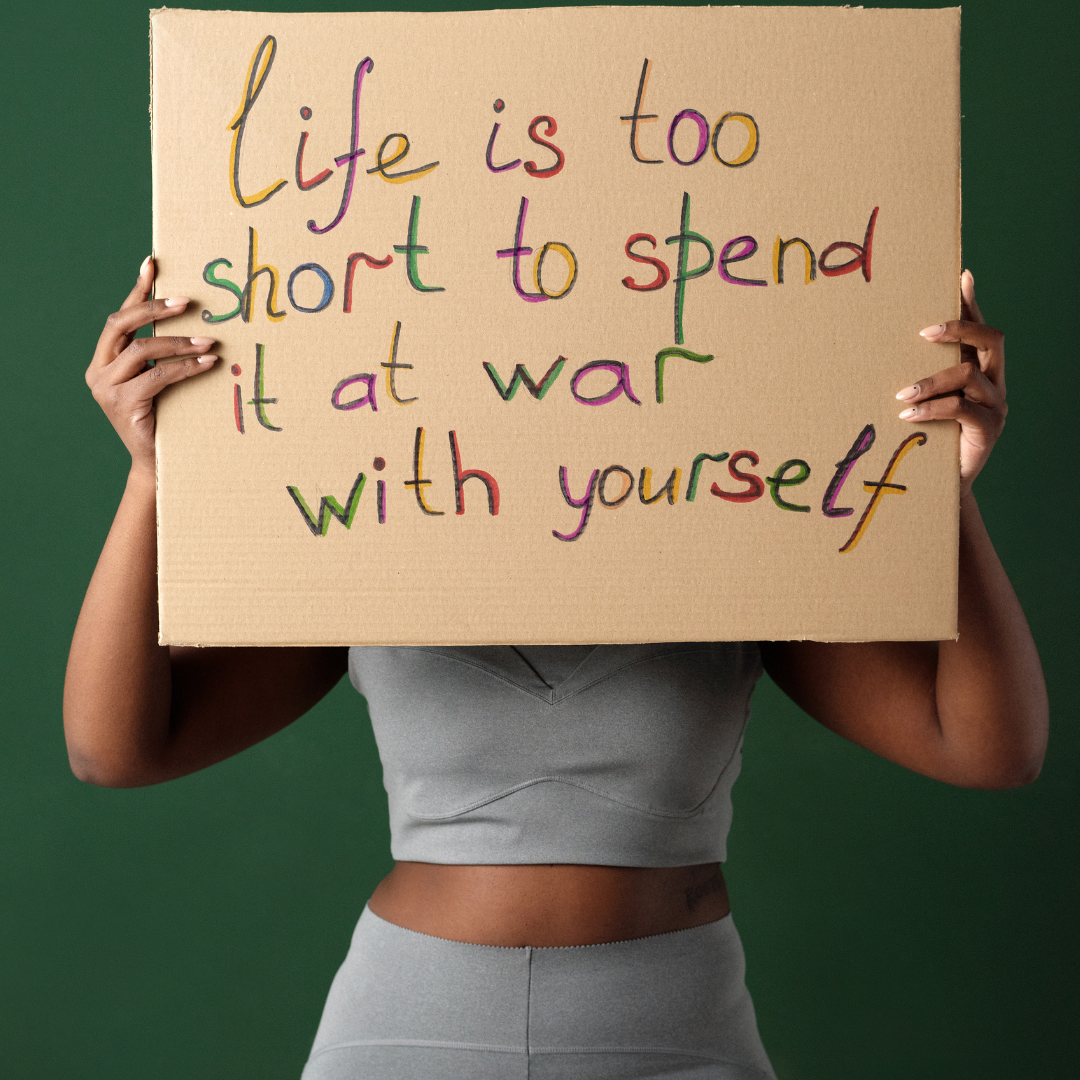
Why Taking Care of Yourself Feels Selfish (And How to Finally Change That)
You’ve been strong for everyone else for so long…
that you forgot what it feels like to show up for yourself.
And now the idea of choosing yourself?
It feels uncomfortable. Maybe even selfish.
But the truth is—constantly putting yourself last doesn’t make you a better woman.
It slowly drains the very energy you need to live the life you actually want.
Why Your Body Feels Stiffer After 40 (And What Actually Helps)
If you’ve been feeling stiffer than usual after 40, you’re not imagining it. Many women notice tight hips, a stiff back, or joints that take longer to loosen up—but this isn’t just “getting older.” In midlife, changes in connective tissue, hormones, and daily movement patterns all play a role. The good news? With the right approach to mobility and movement, your body can feel stronger, looser, and more capable again.

Why Sleep Impacts Weight Loss More After 40 (And Why Ignoring It Keeps You Stuck)
If you’re a woman over 40 and you feel like you’re doing everything right — eating well, exercising regularly, trying to take care of yourself — but the scale still isn’t moving the way it used to… you’re not alone.
For many women in midlife, weight loss suddenly becomes confusing. The strategies that used to work — cutting calories, pushing harder in workouts, staying “disciplined” — no longer seem to produce the same results. It can feel frustrating, discouraging, and sometimes even make you question whether something is wrong with your body.
But often, the issue isn’t a lack of effort.
It’s that the body you’re working with has changed.
During midlife, especially throughout perimenopause, your metabolism becomes far more sensitive to stress and recovery. Hormones begin shifting, sleep patterns can become more disrupted, and your nervous system doesn’t bounce back from stress as easily as it once did. And one of the most powerful regulators of all these systems — sleep — suddenly plays a much bigger role in how your body manages energy and fat storage.
That means weight loss after 40 isn’t just about what you eat or how much you exercise anymore.
It’s also about how well your body is able to recover.
When sleep becomes inconsistent or disrupted, your body receives signals that energy is scarce and stress is high. In response, it shifts into a more protective mode — slowing fat burning, increasing hunger signals, and holding onto stored energy. From a biological perspective, this is your body trying to keep you safe.
The challenge is that this survival response can make traditional weight loss strategies feel ineffective.
Which is why understanding the connection between sleep, hormones, and metabolism becomes so important in midlife.
Because once you begin supporting recovery — including consistent, restorative sleep — many of the systems that influence fat loss can start to rebalance naturally.
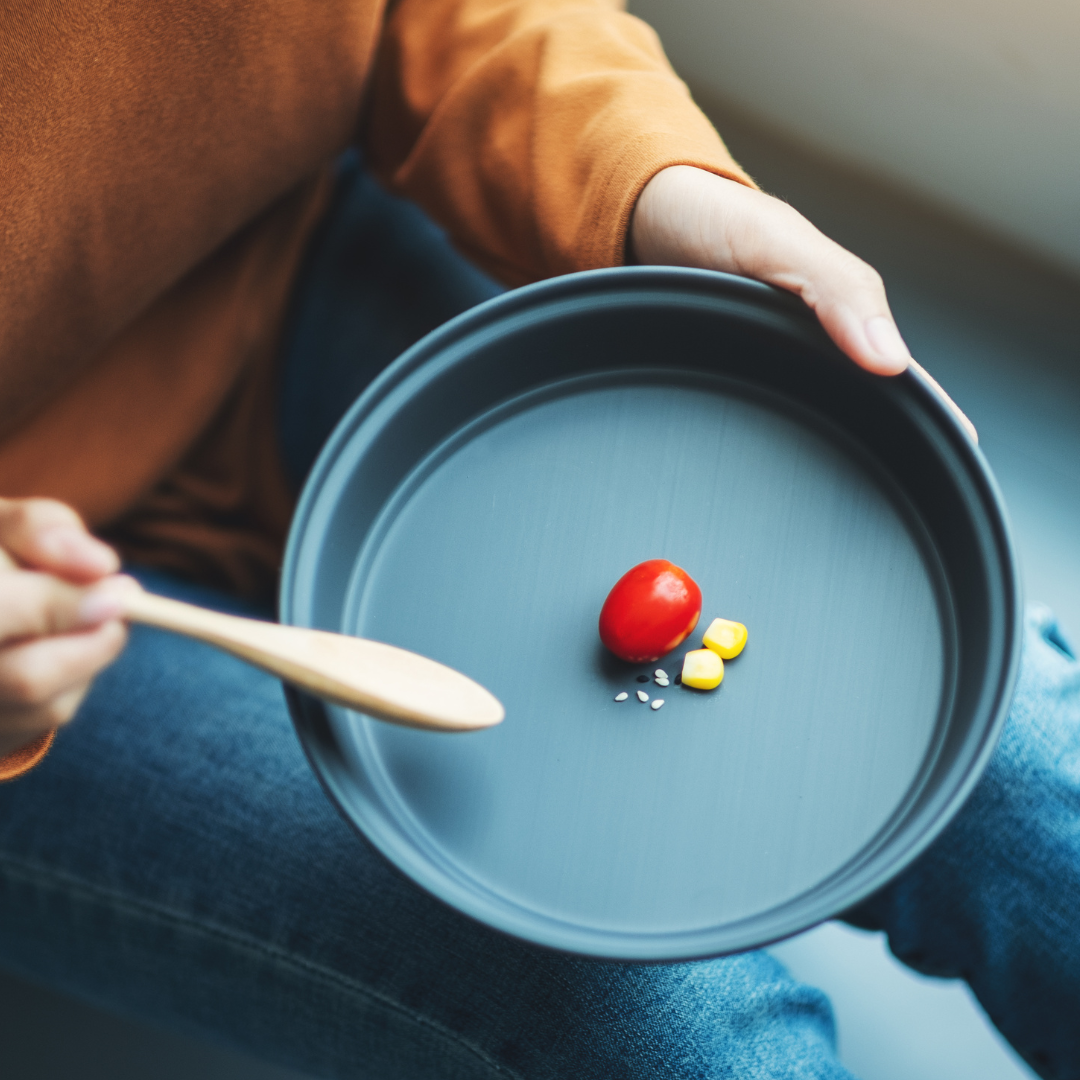
Why Eating Less Isn’t Helping You Lose Weight After 40 (And What Works Instead)
If you’re a woman over 40 who feels like eating less just isn’t working for weight loss anymore, you’re not imagining it — and you’re not doing anything wrong. In midlife, hormonal shifts and increased stress sensitivity can cause your body to respond differently to calorie restriction. Skipping meals or under-fueling may actually slow your metabolism, increase cravings, and make fat loss harder instead of easier. In this post, we’ll explore why the old “eat less, move more” model often backfires after 40 — and what your body may need instead to support energy, hormone balance, and sustainable fat loss without extreme restriction.

Why Walking Works Better Than HIIT After 40 (Copy)
High-intensity workouts used to work.
More sweat.
More effort.
More calories burned.
But in midlife, many women notice something shift.
The same workouts that once made you feel strong and accomplished now leave you exhausted… sore for days… wired but tired… and frustrated that the scale won’t move.
It’s not that you’re lazy.
And it’s not that you’re doing it wrong.
After 40, your body responds to stress differently — and intense workouts are a form of stress. When you layer HIIT on top of work stress, hormonal changes, sleep disruption, and the mental load you carry every day, your nervous system may stay activated longer than it used to.
And when that happens, fat loss, hormone balance, and recovery become harder — not easier.
This is why walking — simple, steady, consistent movement — can sometimes be more effective for long-term fat loss and energy in midlife than pushing through another intense workout.
Sustainable Strength for Women Over 40: Why Workouts Stop Working in Midlife (And What to Do Instead)
If you’re a woman over 40 and the way you used to build strength just isn’t working anymore, you’re not imagining it. Hormonal shifts in midlife change how your body responds to stress — including workouts and calorie restriction. In this post, learn why pushing harder can actually backfire after 40 and what sustainable strength really looks like now so you can build muscle, boost energy, and improve consistency without burnout.

Why Short-Term Challenges Don’t Work for Women Over 40 (And What Does)
Short-term challenges promise quick results—but often leave women over 40 exhausted and back where they started. This post explains why challenges fail in midlife and what actually creates sustainable, long-term change instead.
What Sustainable Strength Looks Like in Midlife (Without Burnout)
Sustainable strength in midlife isn’t built through pushing harder — it’s built through nervous system support, walking, recovery, and pressure-free structure. This post explores what real, lasting strength looks like for women over 40.
Why Discipline Stops Working for Women Over 40 (And What Works Instead)
For years, discipline worked — until it didn’t.
If staying consistent feels harder after 40, it’s not a willpower problem. Hormonal shifts and nervous system overload change how your body responds to effort. This post explains why pushing harder backfires in midlife — and what actually creates sustainable change instead.

Why Deep Winter Is Not the Time to Push (Especially for Women Over 40)
Deep winter is a biological season of slowing and repair. Learn why women over 40 shouldn’t push in late January—and what to focus on instead.
Late January isn’t a motivation problem—it’s deep winter. Learn why women over 40 need seasonal slowing, nervous-system repair, and hormonal recalibration instead of pushing.

Trust Builds Quietly (Why Mid-January Is Not the Time to Quit)
By mid-January, many women over 40 wonder if anything is “working.” This post explains why quiet progress is real progress — and how trust builds through consistency, not intensity.

You Don’t Need a Reset — You Need Regulation (A January Reframe for Women Over 40)
January doesn’t need another reset — especially for women over 40. Learn why regulation, not intensity, supports hormones, energy, and sustainable progress after the holidays.

Why January Is Not the Time to Go Hard (Especially for Women Over 40)
January isn’t the time to push harder — especially for women over 40. Learn why hormone health, nervous system regulation, and gentle consistency matter more than discipline.

A Gentle End-of-Year Reset for Women Over 40 (Without Hustle or Pressure)
December can feel heavier in midlife—but it doesn’t have to. This gentle end-of-year reset for women over 40 supports hormone balance, nervous system regulation, and emotional clarity—without restriction, pressure, or burnout.
What Coaching Really Is for Women Over 40 (And How It’s Different From Therapy)
Midlife can leave many women feeling “off” in ways that are hard to explain — unpredictable energy, increased stress, and a body that no longer responds the way it used to. If you’ve ever wondered whether coaching could help, or how it differs from therapy, this post gently breaks it down. Learn what coaching really is for women over 40, how it supports hormones and daily life, and how to choose the kind of support that feels right for you in this season.
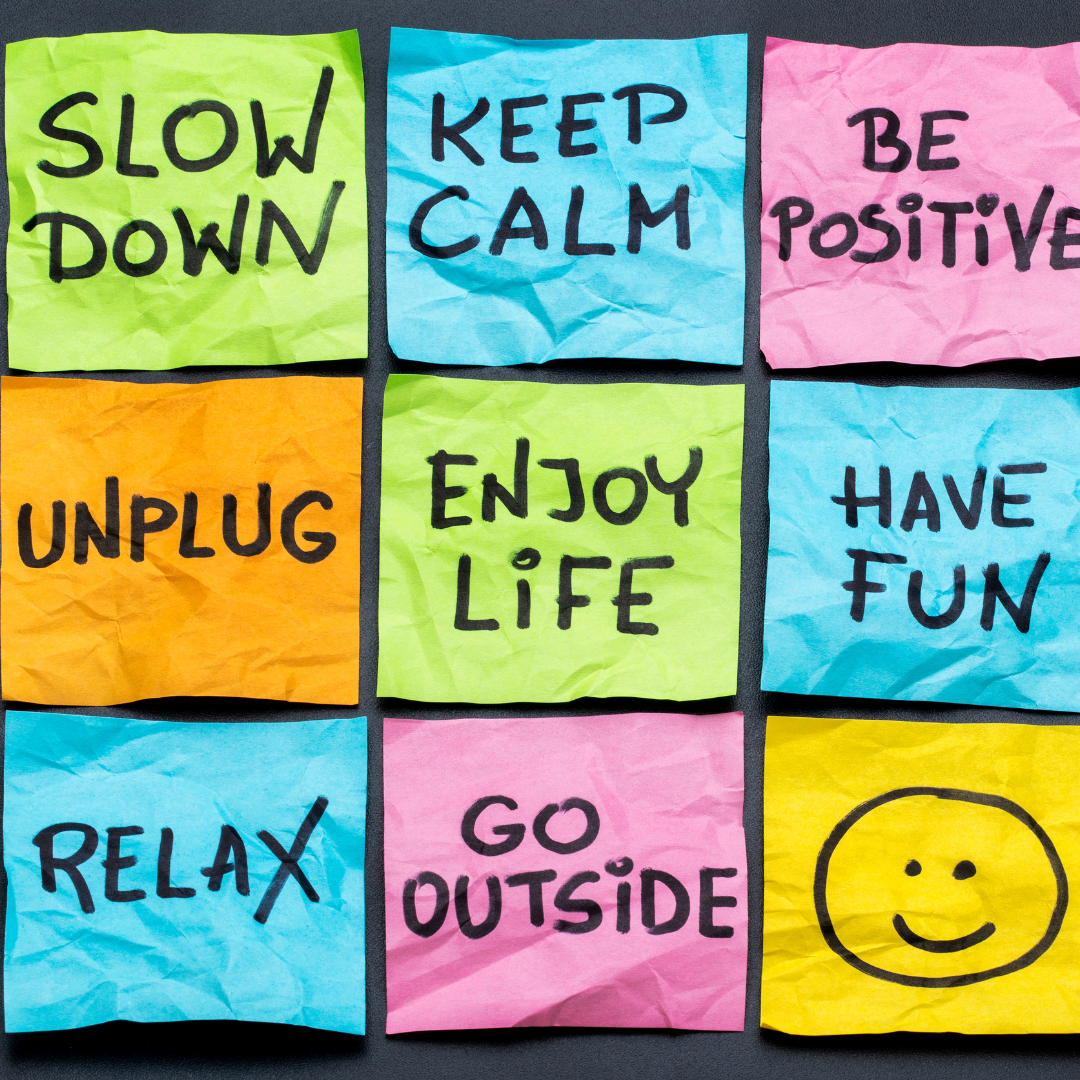
Why Women Over 40 Need To Slow Down in December (And How to Do It Without Falling Behind)
December can feel overwhelming for women in their 40s, 50s, and early 60s — and it’s not your imagination. Hormonal shifts, nervous system sensitivity, emotional labor, and holiday stress all make this month more draining in midlife. The key to feeling grounded isn’t pushing harder, it’s slowing down intentionally. In this blog, you’ll learn why your body needs a gentler pace in December and the simple, grounding habits that help you stay balanced without losing momentum.

Gentle Nourishment: How Women Over 40 Can Support Hormones Through the Holidays
Women over 40 feel holiday stress more intensely because fluctuating hormones make the body more sensitive to blood sugar swings, poor sleep, and seasonal overwhelm. Learn how simple habits — like protein + fiber, grounding foods, and calming evening rituals — can support hormone balance and energy all December long.

How to Stay Grounded All December: Hormone-Supportive Habits for Women 40–60
Women over 40 often feel the holiday season more intensely — not because they’re doing anything wrong, but because December stress directly impacts midlife hormones. As estrogen, progesterone, and cortisol fluctuate during perimenopause and menopause, your body becomes more sensitive to sugar, disrupted routines, poor sleep, and emotional overload. This guide breaks down simple grounding habits for women 40–60 that help regulate cortisol naturally, support energy, and reduce holiday overwhelm. If you’re navigating perimenopause in December or just want gentle, hormone-supportive routines to stay balanced, these five habits will help you restore calm, protect your mood, and feel more like yourself all season long.

How to Enjoy the Holidays Without Losing Yourself — A Simple Guide for Women 40+
The holidays are meant to feel magical, but for many women 40+, they feel overwhelming, exhausting, and scattered. Hormone changes, stress, and nonstop expectations can make it easy to lose yourself. This simple guide shares five hormone-smart habits to help you stay grounded, energized, and centered all season long.